
Using AV1 Robots as a Bridge Between Home and the Classroom for School Anxiety
A blueprint for using AV1 to support students during reintegration and absence
%20template%20(10).png)
When attendance anxiety rises in a secondary setting, schools face a difficult balance between safeguarding, curriculum continuity and pastoral care. Graham School in North Yorkshire has built a thoughtful and quietly confident model for using AV1 to keep pupils on track while they work towards reintegration.
➡ Visual created using AI for illustration purposes.
A School Shaped by Need and Creativity
Graham School supports pupils from across Scarborough with a wide range of emotional and behavioural needs. Dan as SENDCo, along with the wider team, provide specialist pathways, an alternative provision hub and both short and long term support for pupils who struggle to attend regularly.
The model does not function like traditional online learning. In the past, staff had tried email links, copied PowerPoints and hurried remote access, but this placed workload pressure on teachers and left students feeling disconnected. The school wanted something that allowed presence in real time, without teaching staff having to adapt lessons.
Where AV1 Fits Best
The school first used AV1 with a pupil experiencing a medically related absence. The learner was unable to attend lessons for several weeks during treatment and recovery. Instead of relying on tutors or simplified work packs, the school placed AV1 directly into lessons and matched the standard timetable so the pupil stayed aligned with classroom learning.
Teachers taught normally. Dan described how they began to treat AV1 as if it were a seat in the room. When it was switched on staff instinctively involved the learner by greeting them, checking engagement and positioning the robot thoughtfully so the screen had a clear view of the board or teacher direction. There was no conscious change to lesson planning.
Family anxiety reduced quickly because parents could see that teaching was consistent and that the pupil did not face a future return to a mountain of missed content.
A Peer-Led Routine That Made It Work
Movement between lessons in a large secondary can be complex. Dan and the team decided not to assign responsibility to a member of staff. Instead, they chose a reliable student with a similar timetable to take ownership for moving the robot from lesson to lesson and charging it at the end of each day. This helped AV1 feel part of the class rather than a technical visitor.
That small design detail made the logistics simple. The robot became expected and accepted. Teachers understood its purpose, the peer felt proud to contribute, and the pupil using AV1 stayed socially visible in the life of the classroom.
A Pathway for Emotionally Based School Avoidance
The school then expanded its use of AV1 to pupils on the emotionally based school avoidance pathway. These pupils could attend lessons from the school’s hub provision on site rather than staying at home. The hub was calm and structured but without AV1 pupils risked losing continuity with class teaching and social rhythms. AV1 provided a bridge between regulated space and mainstream curriculum.
For many pupils with complex anxiety, the academic part is not the most overwhelming hurdle. The social energy of crowded corridors, unpredictable transitions, and fear of returning after long absence can be the point at which re-engagement collapses. AV1 gave pupils presence without pressure to be physically in the building while still maintaining their identity as members of their class.
Early Wins and Parent Confidence
Families have welcomed the approach because it protects learning while keeping attendance pathways gentle. Parents have commented that they no longer fear their child losing progress or feeling ashamed about the size of the gap when they return. Pupils now remain far closer to their learning than they would through printed work packs or occasional tuition.
Dan described that sometimes pupils do not want to talk and that this is entirely fine. AV1 allows pupils to sit quietly, observe, listen and choose moments when they want to raise a hand or contribute. This protects autonomy and supports emotional regulation.
Why Staff Accepted It Readily
The school did not face pushback from teachers. The reason was simplicity. The robot fits into existing practice. There are no extra slides to prepare. Teachers are not filmed. They are not adapting worksheets or teaching twice. They teach their class as normal and AV1 is a seat in the room for a learner who needs it.
When teachers saw that safeguarding was fully controlled and that families could only ever see what the robot sees, their confidence grew. Privacy and security were explained carefully and transparently so boundaries were understood.
A Short-Term Bridge That Protects Dignity
Graham School do not see AV1 as a permanent alternative to attendance. They see it as a pathway back. Many pupils who would previously have detached completely from school now have continuity of curriculum, access to teachers and social belonging. Reintegration is calmer because pupils do not face the shock of returning to unknown content. They feel informed, confident and known.
The Bottom Line
Graham School have developed a clear blueprint for meaningful remote presence within a busy secondary timetable. Leadership, peer responsibility, teacher reassurance and emotional insight sit at the centre of the model. AV1 has allowed pupils to stay part of classroom life even when their circumstances prevent them from entering the building. The school has protected progress, belonging and dignity while giving each child a path back into mainstream learning at the right time.

A transformational solution to attendance and reintegration.
Talk to an expert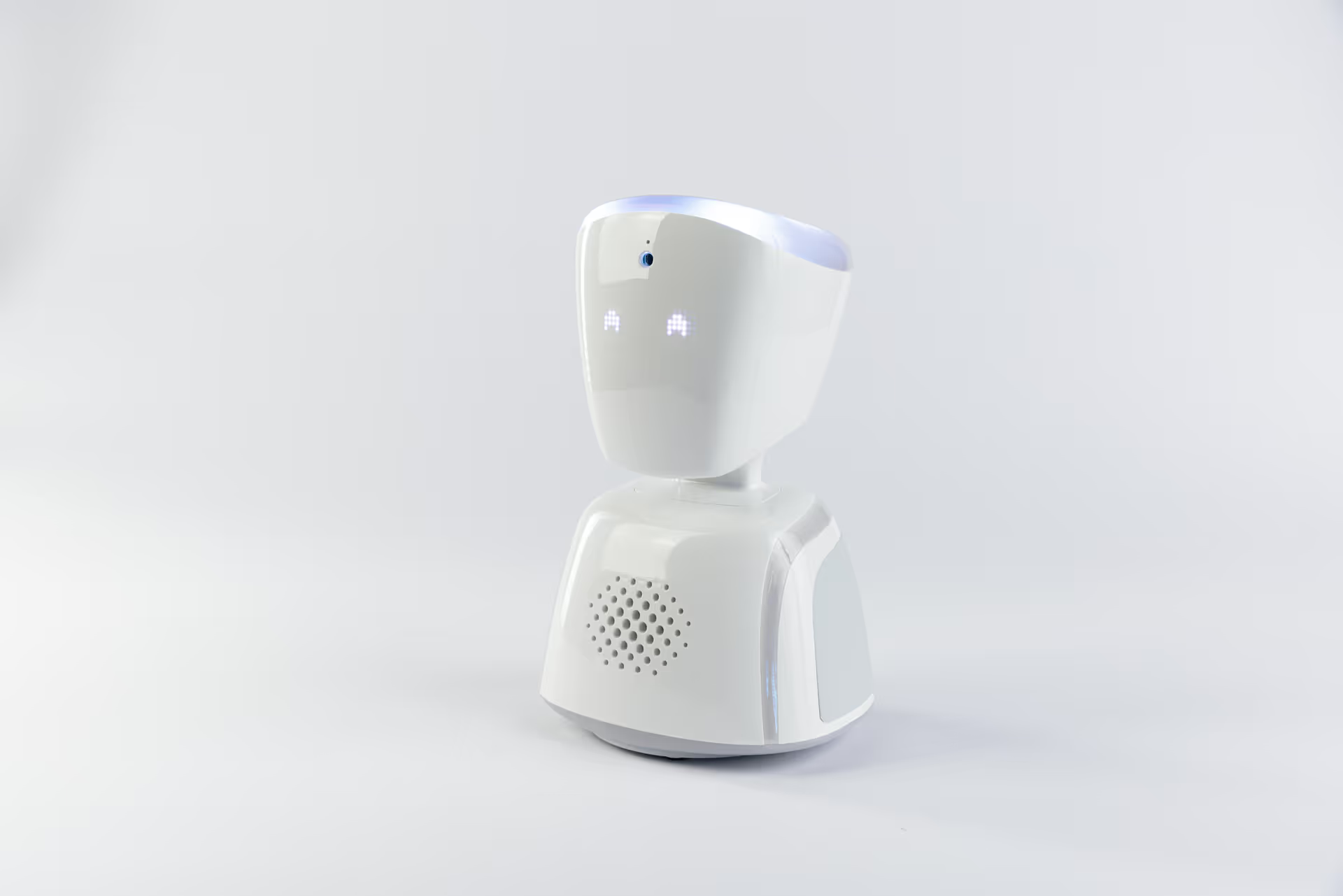
.jpeg)

.png)