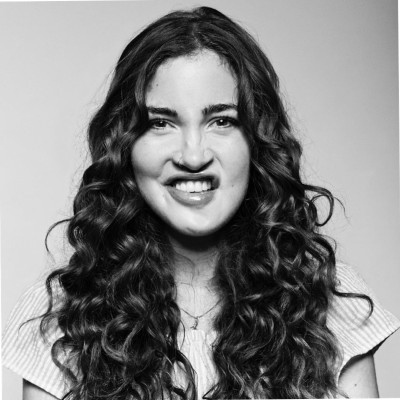
“AV1 is the foundation for my future”: Laura’s story
With AV1, Laura stayed connected to school – and kept her future open.
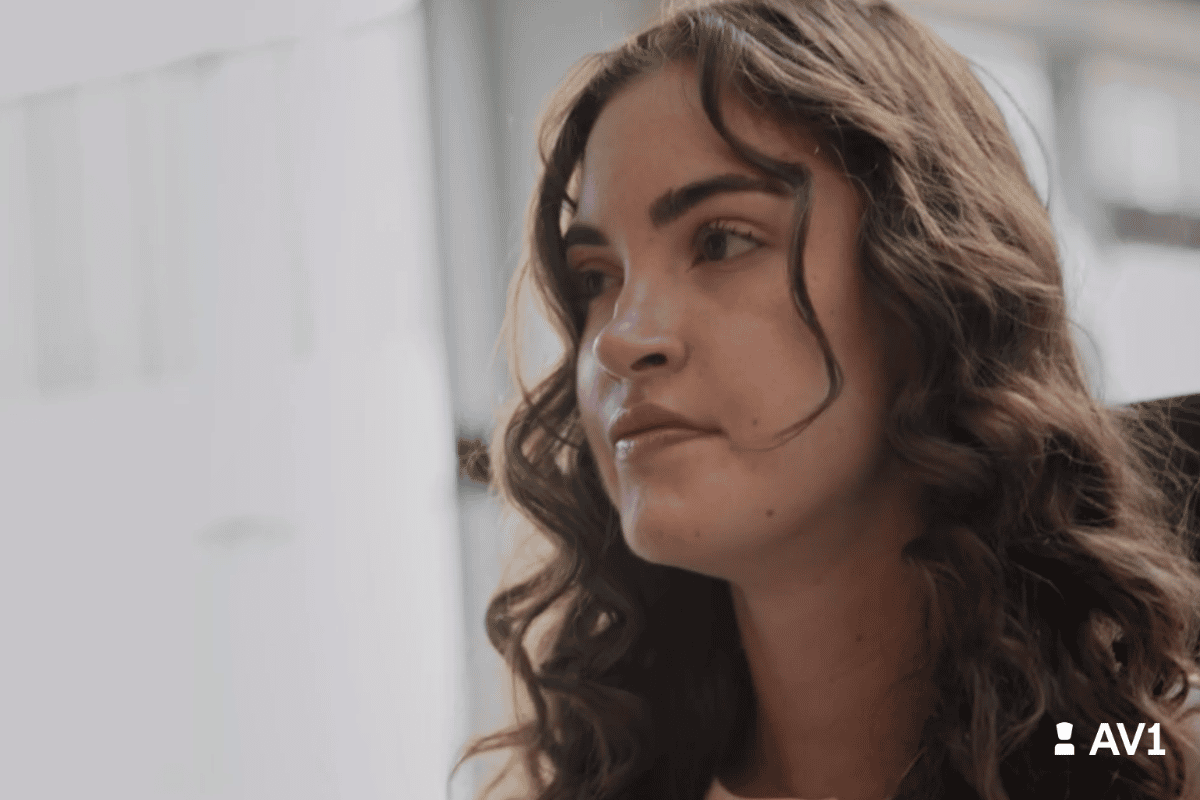
For Laura, being away from school meant missing much more than lessons. It meant missing the small everyday moments that help a young person feel included: the jokes between classmates, the conversations before class starts, the friendships that grow over time.
With AV1, Laura found a way to stay connected to her classmates, take part in lessons and remain present in the everyday life of the classroom – even when her health kept her away.
Today, Laura is studying law at the University of Copenhagen. For her and her family, AV1 has meant much more than access to learning. It has helped make independence, friendships and a future on Laura’s own terms feel possible.
More than 12,000 pupils in Denmark had at least 50 days of absence during the 2024/25 school year. That means they missed at least one in four school days.
But school absence is never just a number. Behind every day away from the classroom is a child or young person missing out on learning, routine, friendship, and belonging – and each one has their own story. For some, school absence is linked to anxiety, reduced wellbeing or complex needs. For others, like Laura Kehler, it is the result of living with chronic illness.
Laura is 21 years old, lives in Denmark and has muscular dystrophy, a condition that affects many of her internal organs. Throughout her childhood and teenage years, fatigue, hospital appointments, treatments and repeated illness meant long periods away from the classroom.
For Laura, being away from school meant missing much more than lessons. It meant missing the small everyday moments that help a young person feel included: the jokes between classmates, the conversations before class starts, the friendships that grow over time.
“It was this whole ‘out of sight, out of mind’ thing,” she says, “where I felt that I never really fit in with the rest of the class.”
Laura’s mother, Helen, remembers how difficult those years were. Laura fell behind academically, struggled to keep up with what her classmates were doing, and missed out socially. “She just became invisible,” Helen says. “She simply didn’t take up enough space. She wasn’t there enough.”
Staying connected through AV1
For Laura, AV1 changed what was possible. Instead of school being something she could only access on the days her health allowed, AV1 gave her a way to stay connected to her classmates, take part in lessons and remain present in the everyday life of the classroom.
One memory from her first year of high school still stands out. Laura was following a conversation between some girls in her class through AV1. Someone said something funny, and the group started laughing. Laura turned on the robot so they could hear that she was laughing along too.
“One of them said, ‘You two are the worst,’” Laura remembers. “And I just remember how much it meant to me to be included.”
It was a small moment, but for Laura, it mattered deeply.
“It meant I was part of the moment. I had so often been used to feeling like the third wheel, if I was included at all. So it was just amazing to suddenly feel that I was part of it – that I had a real place in the class.”
Friendship, confidence and belonging
AV1 did not only support Laura academically. It helped her build relationships.
“The friends I have made in my class are very close relationships,” she says. “Probably the closest I have had throughout my time studying, and I have almost exclusively studied through the robot.”
Many of Laura’s conversations, connections and friendships were built through AV1. Over time, she became not just someone who followed the class from a distance, but someone her classmates included, trusted and confided in.
For children and young people with chronic illness, this kind of connection can be crucial. When school becomes difficult to access, they risk losing not only learning time, but also friendships, routines and the sense of belonging that helps them stay connected to society.
A foundation for the future
Today, Laura is studying law at the University of Copenhagen. For her and her family, AV1 has meant much more than access to learning. It has helped make independence, friendships, and a future on Laura’s own terms feel possible.
“The robot really is the foundation for my future,” Laura says. “And that is a huge privilege, because I know so many people who have been forced onto disability pension, and that is where I would have ended up too, if I had not had the robot.”
Helen describes AV1 as something that has changed how the family sees Laura’s future. “Now it is not just about her getting an education. It is just as much about her future – about getting a job, becoming independent, becoming self-reliant, being able to have a job where she can support herself, and hopefully having a life with all the things that all of us want when we grow up.”
For Laura and Helen, AV1 has become a long-term support through different stages of Laura’s learning journey.
“We only see that future as possible because she has an AV1,” Helen says. “So for us, AV1 is a lifelong partner, and the fact that it exists is completely invaluable to us.”
Watch Laura’s story
Laura’s story is a powerful reminder that school is not only a place for learning. It is also where young people build friendships, confidence, independence, and a sense of belonging.
For children and young people living with chronic illness, staying connected to school can help keep the future open.
Watch the film to hear Laura, Helen and researcher Sofie Skoubo reflect on what AV1 has meant for Laura’s education, friendships and future.

A transformational solution to attendance and reintegration.
Talk to an expert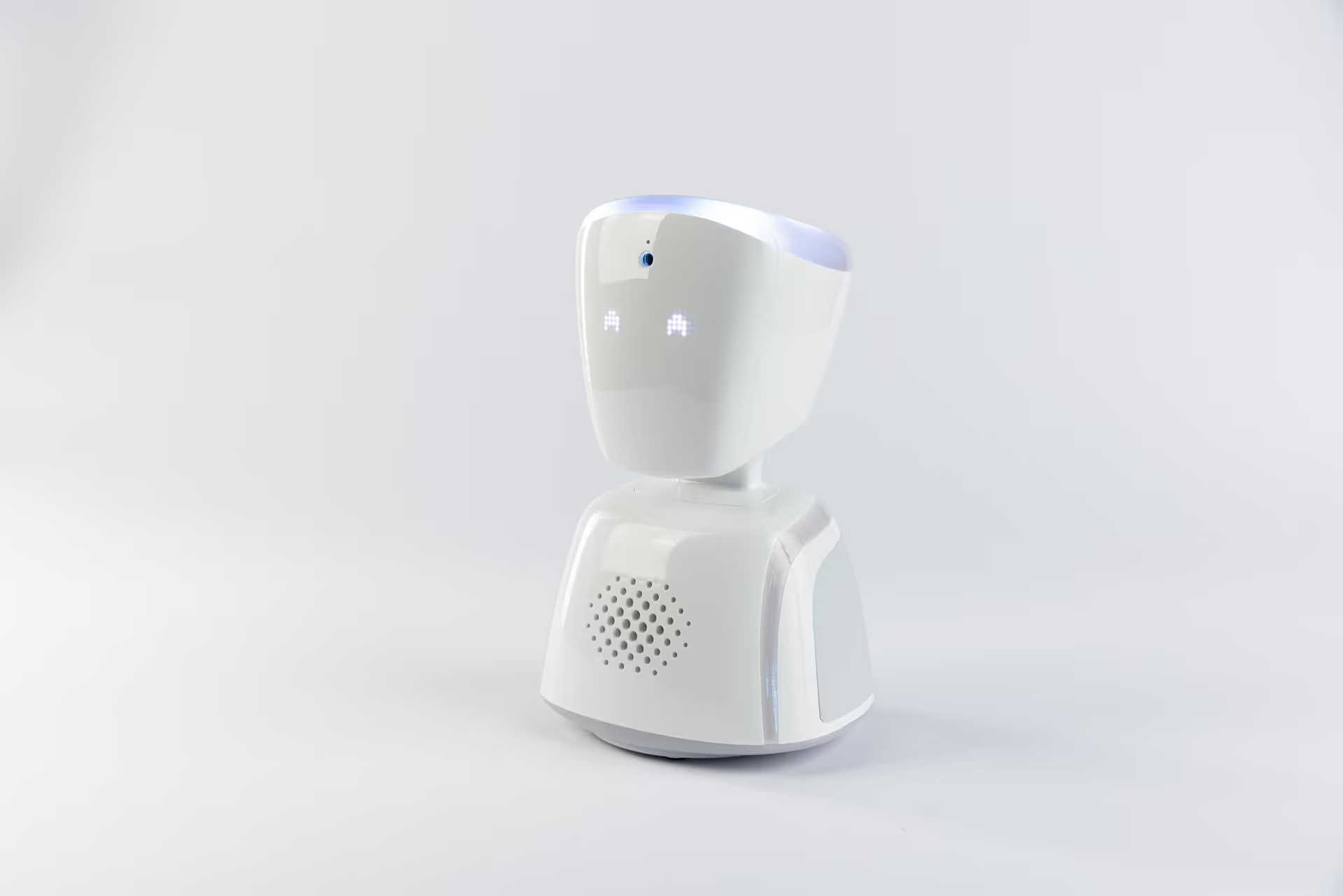

.png)