
Keep absent pupils present and learning
When EBSA, medical absence or SEND keep a secondary school pupil out of the classroom, AV1 helps maintain connection, belonging, and access to learning during key transitions.

Secondary schools are facing rising absence with limited resources to respond
Persistent absence is no longer an edge case. Secondary schools are supporting growing numbers of pupils experiencing emotionally based school avoidance (EBSA), anxiety, long-term medical conditions, complex mental health needs and Special Educational Needs and Disabilities (SEND). EBSA is now one of the fastest-growing drivers of absence in secondary settings, and once patterns of non-attendance take hold, disengagement can escalate quickly, becoming much harder to reverse without the right support in place.
For pupils in Years 9-11, the impact is even more acute. Missing months of GCSE content, losing regular contact with teachers and drifting away from friendship groups all increase academic risk and make a return to the classroom more challenging the longer absence continues.
The question every secondary school leader faces: how do you keep a pupil connected to school when they can't be here, without placing the entire burden on an already stretched pastoral team?

AV1: A bridge back to the classroom for absent pupils
More than a video call
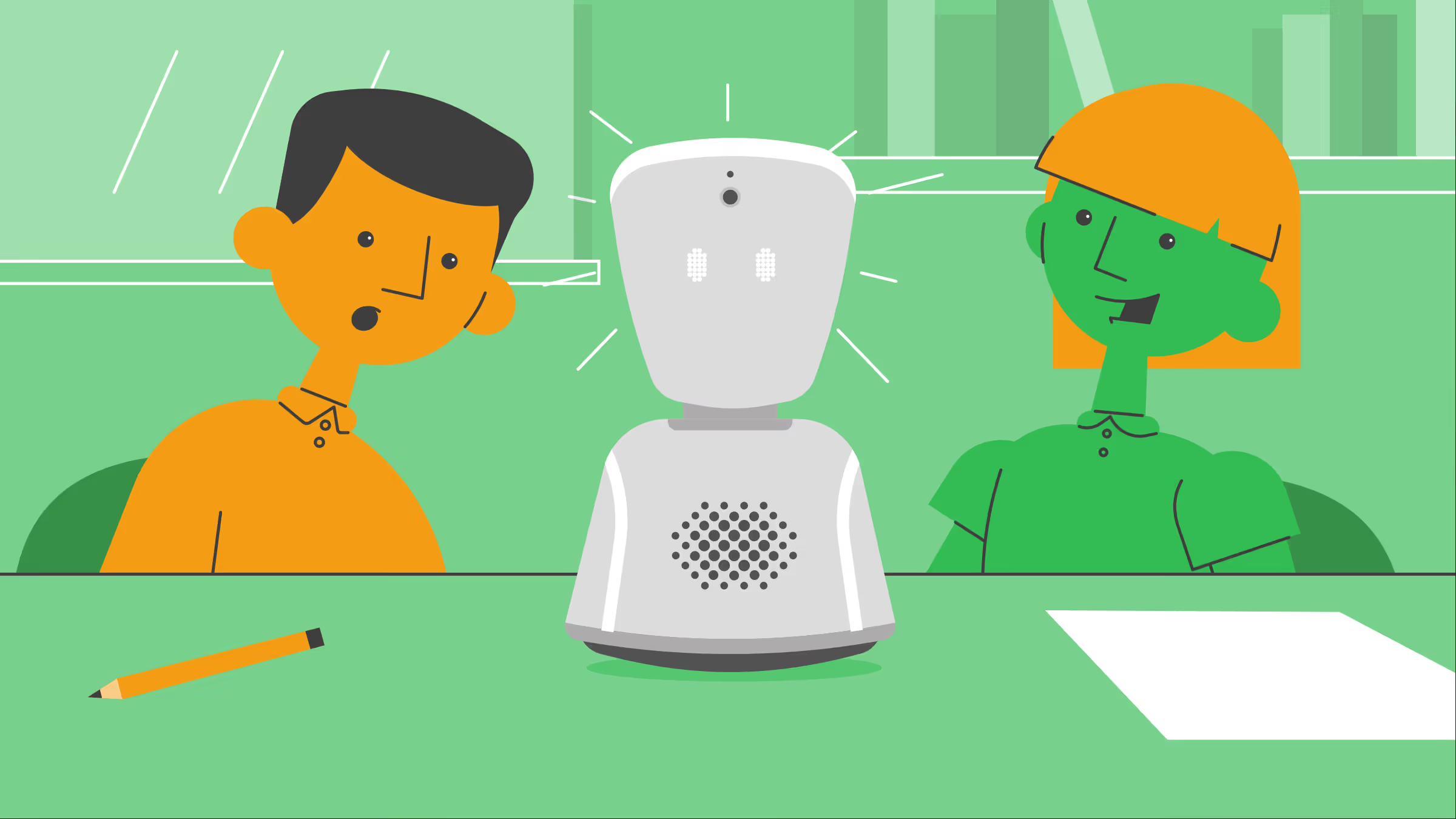
A camera and microphone connect absent pupils who can speak, see and hear everything through the robot, supporting belonging and inclusion.
Reduces avoidance without forcing exposure
For pupils with EBSA, the ability to be in the classroom without physically walking in reduces the anxiety trigger. Over time, this builds the confidence and familiarity needed for gradual reintegration.
Keeps GCSE learning on track
AV1 gives secondary pupils access to subject-specific teaching in real time, not catch-up packs sent home, giving vital continuity in learning.
Can be used on-site too
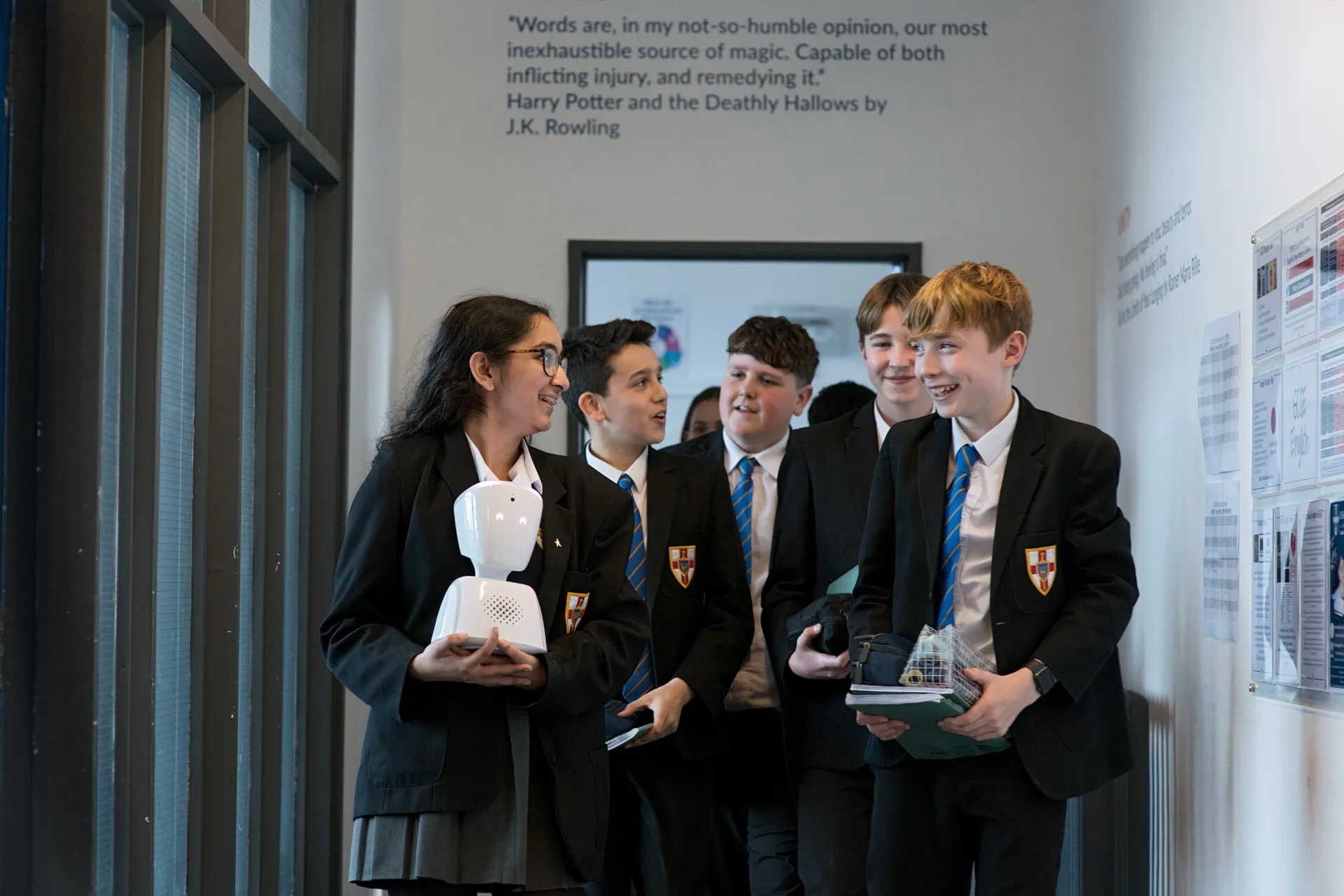
For pupils who are in school but struggling with certain environments, AV1 can be used from a quieter space within the building.
Built-in privacy controls
AV1 has been purpose-built for school settings, with robust safeguarding features including remote shutdown, no recording capability, and full GDPR compliance.
Results schools can expect
Over 5000 AV1s are used by schools across the UK and internationally. The outcomes are consistent: maintained curriculum access, improved reintegration rates and, data that SENCOs can demonstrate in Ofsted inspections.
Outcomes from real schools

“It’s taken away the discomfort and anxiety that stopped him engaging with learning. He knows he has a backup. If he becomes overwhelmed, he can still stay connected.
“He’s more independent, and that means we can support other students too.
"Not having to witness a child in distress every day - that’s the transformation for me.”

"The results speak for themselves: one Year 9 student had stopped attending school, but seeing and interacting with the classroom environment through AV1 gave him confidence which eventually got him back into the classroom and he's joining 90% of his timetable. Another student in Year 10 joins lessons through an AV1 robot when they are in too much pain to attend school in person."
.png)
"It's a great way of reintegrating and allowing them to get used to being back in the classroom, accessing the lessons, speaking to teachers.
We recently had a student who did really well in her GCSEs, most of her lessons were accessed via AV1, she got really good results and has managed to come back and is now in sixth form."
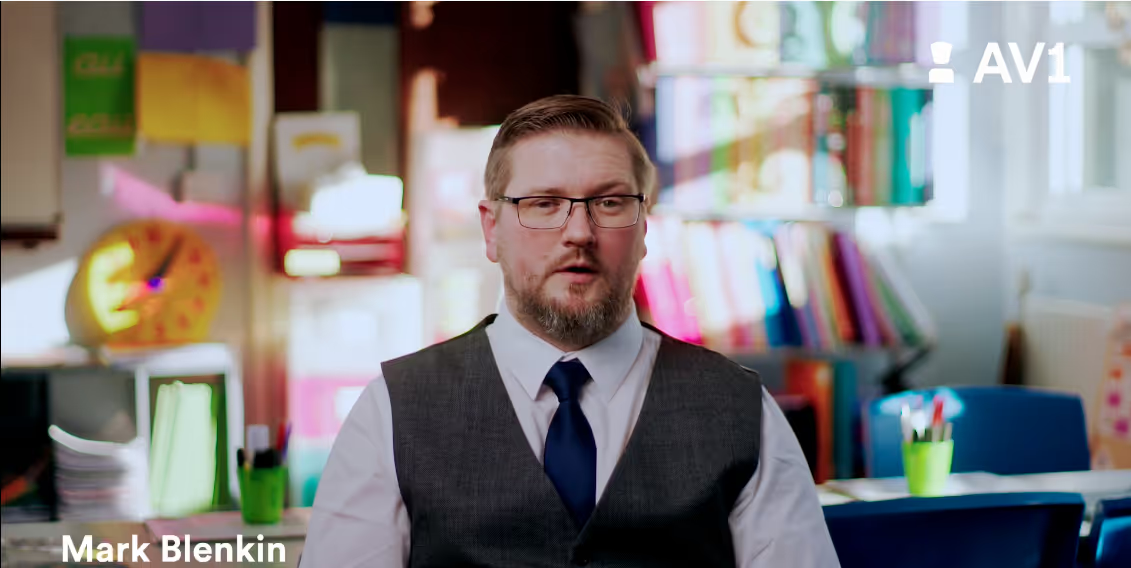
Case Study: how Moulsham High approaches a whole school inclusion strategy
How AV1 supports your school in practice
Maintained learning continuity
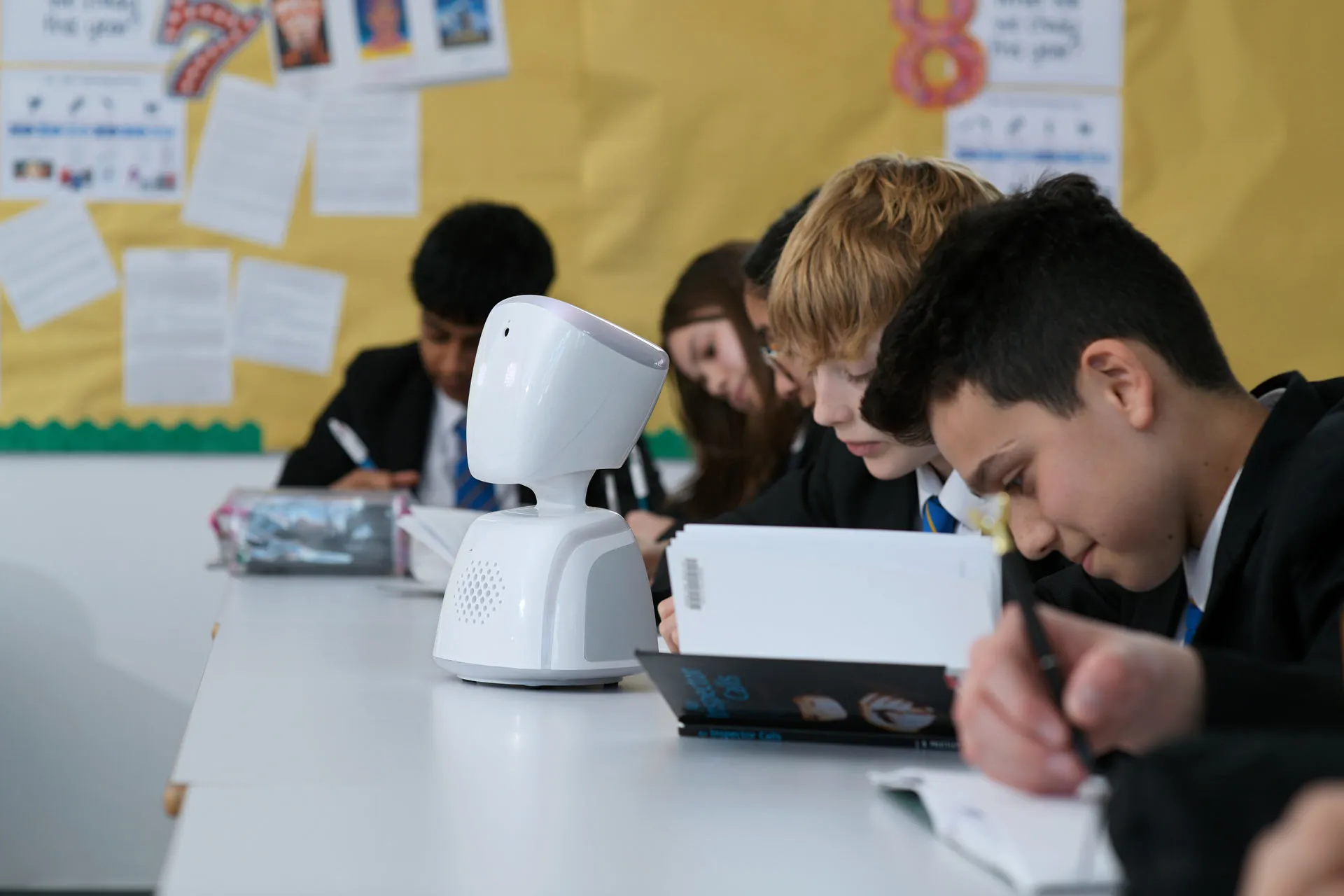
Pupils access live teaching in real time. They follow the same lesson, ask questions, and keep pace with classwork, no catch-up debt accumulating at home.
Preserved peer relationships
Secondary school friendships are a major factor in reintegration. AV1 keeps absent pupils connected to their social group, reducing the sense of exclusion that deepens anxiety.
Confidence rebuilt gradually
For EBSA pupils, each successful session through AV1 is evidence that the classroom is safe. Over time, the anxiety response weakens, and physical return becomes realistic.
GCSE course access protected
A pupil absent during Years 10 and 11 without access to teaching risks falling too far behind to recover. AV1 protects their qualification pathway across subjects.
School identity preserved
Belonging matters enormously at secondary age. AV1 helps absent pupils stay part of the school, present for assemblies, form periods, and everyday interactions, not just the formal curriculum.