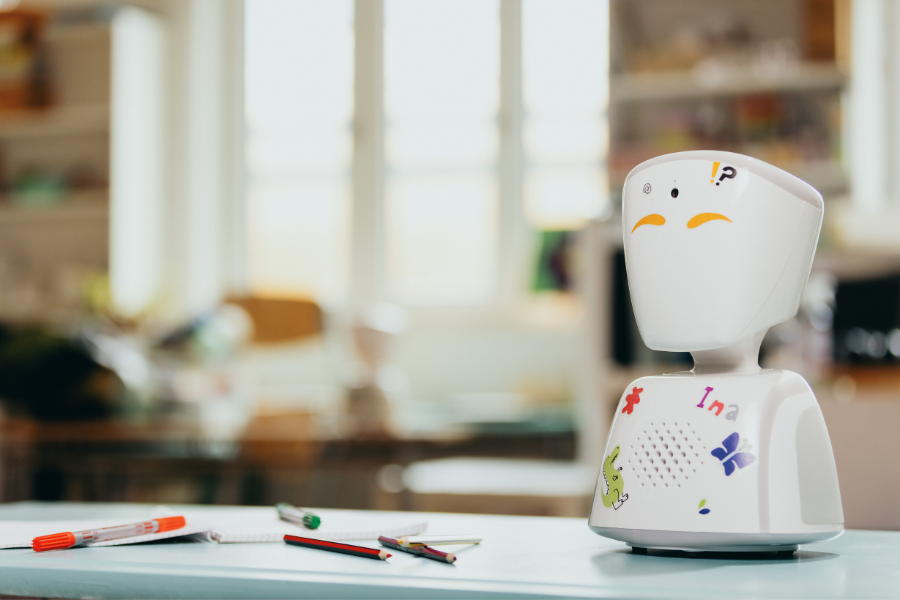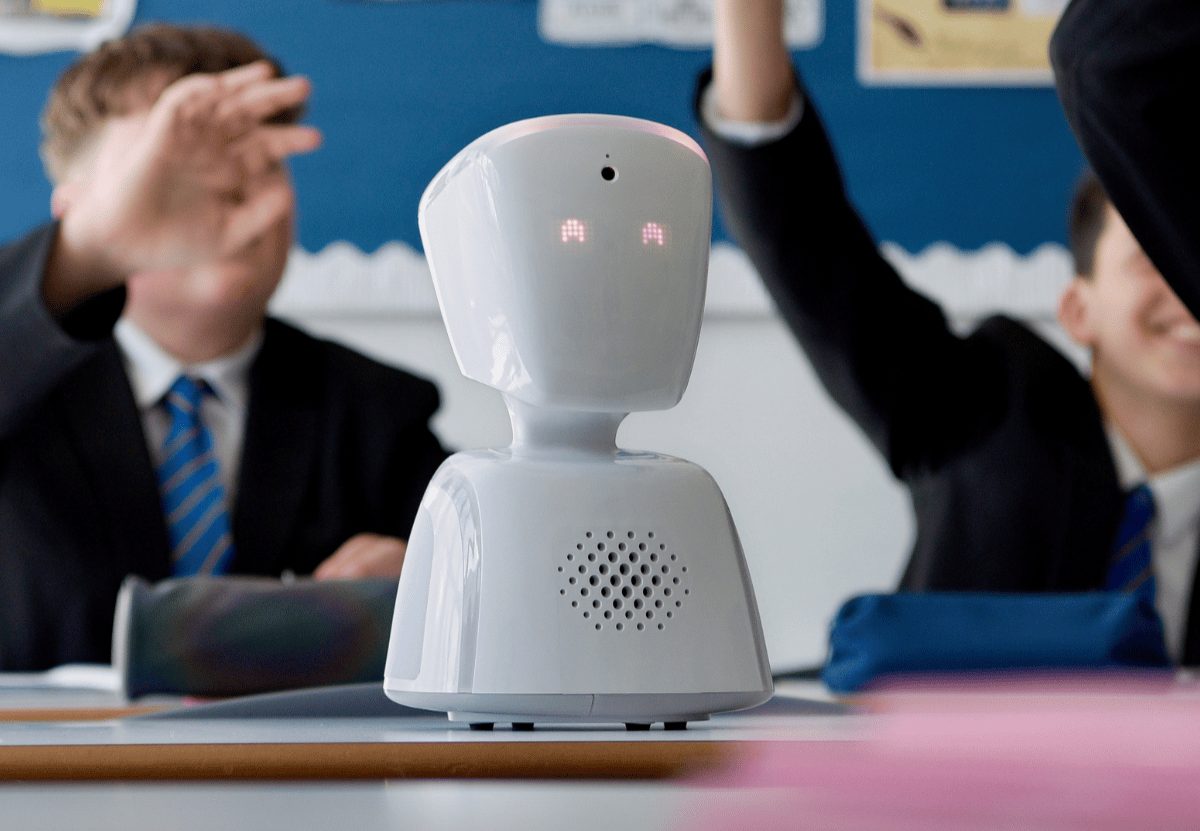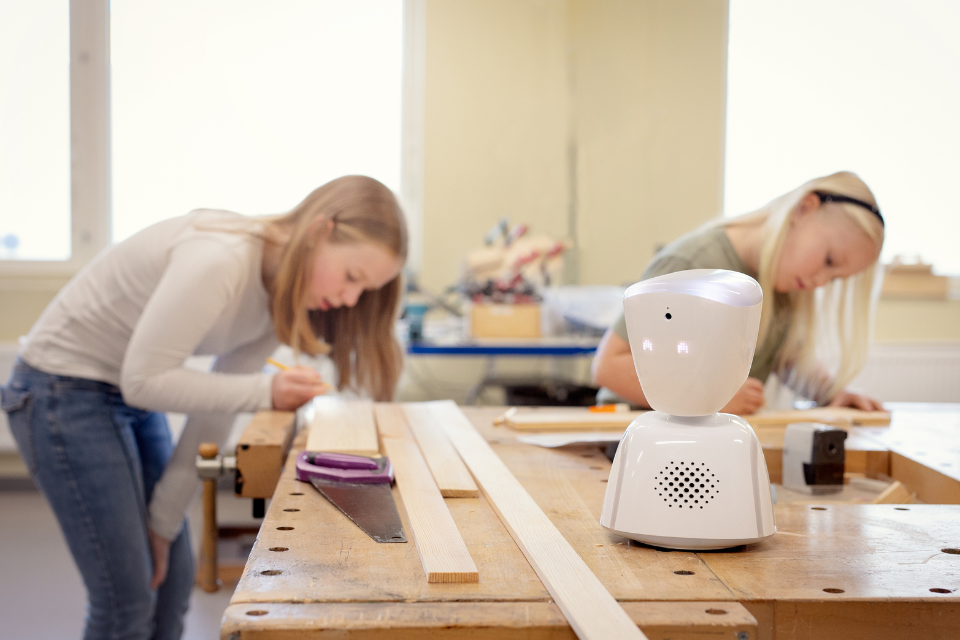
For children living with somatic or chronic illness, long-term school absence not only means missed learning, but also causes severe social isolation, loss of sense of belonging, and mental health risks. Using telepresence technology like AV1 keeps pupils connected to their school daily routine. This preserves their emotional well-being, protects peer relationships, and ensures a smoother, less daunting reintegration back to the classroom when they recover.
Understanding the Impact of Long-Term Illness on Students
When a child or adolescent experiences long-term illness –such as cancer, Chronic Fatigue Syndrome (CFS/ME), autoimmune diseases, or a severe injury– school absence is often unavoidable. Yet missing out on lessons is only half the battle. The quieter, heavier burden is the loss of their daily social life.
Research into adolescent mental health highlights a few critical realities about school absence:
- Increased Mental Health Risks: Studies show that 1 in 3 adolescents without a close friend to confide in report depressive symptoms. Social support from friends is proven to be the strongest protective factor against adolescent mental disorders.
- Loss of Peer Relationships: Friendships shift quickly in school. A pupil absent for several months can return to find their friendship group has moved on, making reintegration a daunting task.
- Anxiety and School Avoidance: The longer a pupil is away, the larger the return feels. Anxiety about what has changed, who knows what, and how to "catch up" can become a barrier larger than the illness itself.
The "Invisible Children" Issue: In the UK alone, illness accounts for nearly 42% of persistent school absences. Without consistent support, these pupils risk lagging behind well into adulthood.
How Telepresence like AV1 Maintains Learning, Emotional Wellbeing and Normality
Physical absence shouldn't mean total disconnection. A student recovering from an illness remains a vital part of their school community, and keeping that bond alive shouldn't wait until they are fully healed.
The AV1 telepresence robot acts as a physical representative on the student's desk. It becomes their eyes, ears, and voice in the classroom, bridging the gap so they can participate from home or hospital on their own terms.
Key Features Supporting Chronically Ill Students:
- Physical Classroom Presence: The robot sits in the pupil's usual seat, visually reminding classmates and teachers that the student remains an active member of the group.
- Participation Without Exposure: The student controls the robot's movement, voice, and stream remotely via a tablet. They can participate in lessons or chat during breaks without having to show their face or physical exhaustion on video, protecting their self-esteem during treatment.
- Autonomy: For conditions like CFS, Long Covid, or Lupus where energy levels change daily, pupils can choose to actively participate, raise a virtual hand, or simply observe quietly when energy is low.
- Peer Co-Responsibility: Rather than adding work for teachers, classmates take turns "looking after," carrying, and sitting next to AV1 during group work and school trips, fostering empathy across the whole classroom.
How does this look in practice? Year 9 pupil Howard named his AV1 ‘AV Howard’, and the robot attended all his lessons while he was undergoing cancer treatment. With his school tie around the robots neck, not only was Howard attending all his lessons remotely, but his friends could speak to him, involve him and they felt like Howard was really there.
Working Alongside Home Tuition and Hospital Education
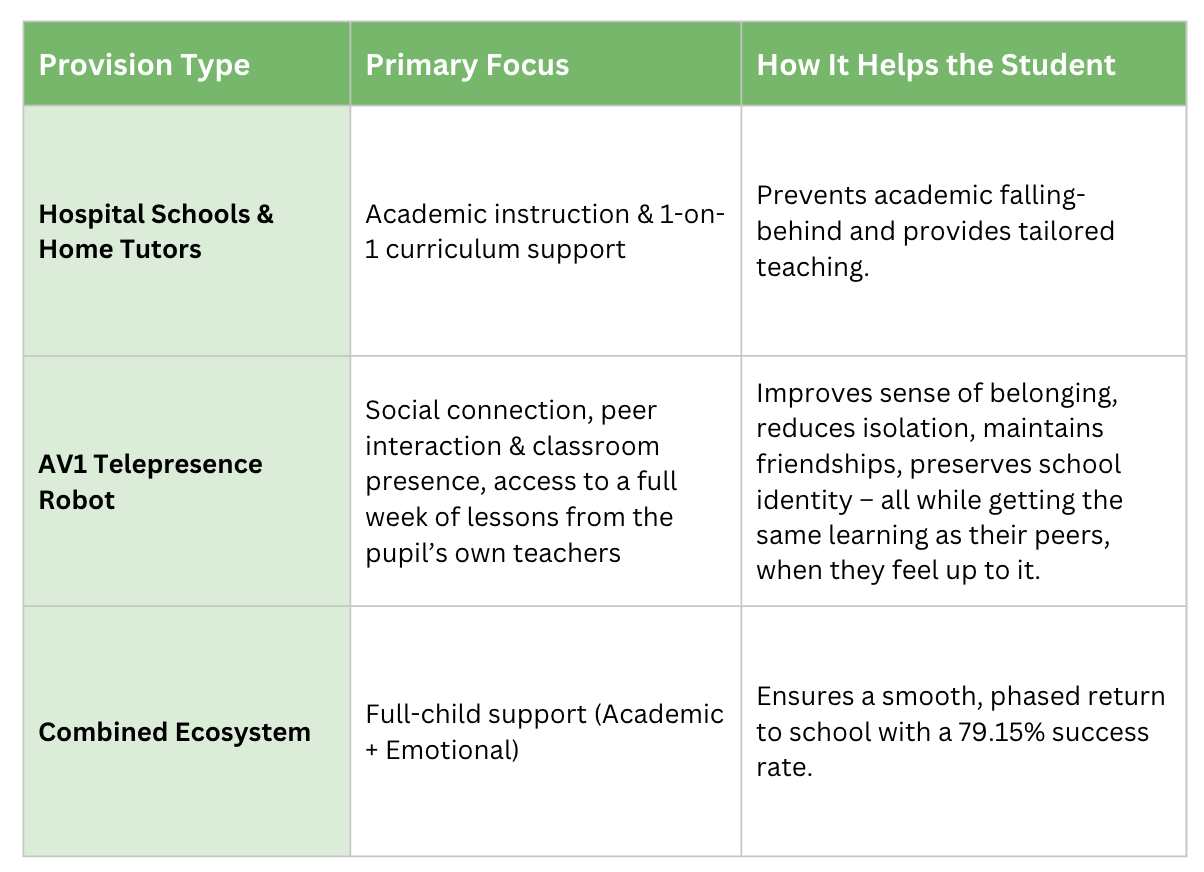
A common misconception is that technology replaces educators. In reality, telepresence works as part of a complete support ecosystem alongside local authorities, hospital schools, home tutors and schools.
Impact: What Teachers and Parents Say
"3.5 years of isolation due to illness had a significant impact on my son’s mental health as well as his education. Isolation is used as a punishment in various establishments; more should be done to ensure that children isolated due to physical illness do not feel rejected and socially excluded."
— Mother of a child receiving cancer treatment
"Without the robot, the transition back to school would have been far tougher as the student would be dealing with a mental recovery as well as a physical one. The interaction with his peers meant that it didn’t really feel like not being there."
— Shelley Mitchell, Attendance and Welfare Officer, Dr Challoner's Grammar School
"The biggest impact was at break times when he could chat with his friends and see what was going on around them. He could enjoy some respite laughing and joking with his friends."
— Martin Fallon, Principal at Drumshanbo School
“We’ve had young people accessing their lessons through the robot from their bed in hospital. That has started the journey towards being discharged from hospital, to accessing lessons from home and building up to going back to school. They’ve felt like they have maintained that connection with school.”
– Assistant Head Teacher at Manchester Hospital School
Frequently Asked Questions
1. Question: How does long-term illness impact a child's education and well-being?
Long-term somatic illness leads to extended school absence, which causes academic disruption, loss of peer connections, and severe loneliness. Research connects childhood social isolation directly to increased risks of depression and EBSNA (Emotionally-Based School Non-Attendance).
Related: AV1 for pupils with school anxiety / EBSA
2. Question: Is AV1 safe and private to use in a classroom environment?
Yes. AV1 is built with strict privacy and security standards. It uses a secure, one-way camera stream, meaning only the student can see out, while no one can see in. The stream is live and encrypted, screen recording or taking photos is strictly prevented, and access is password-protected and restricted to a single student user.
Related: Privacy & Safeguarding
3. Question: Does AV1 replace hospital education or home tuition?
No, AV1 does not replace teachers or tutors. It complements hospital education and home tuition by providing the missing social and cultural link to the student's primary classroom and peer group.
4. Question: Does using a telepresence robot create extra work for teachers?
No. AV1 is designed as a simple plug-and-play tool. Classmates are empowered to take responsibility for moving and placing the robot during lessons, fostering group empathy while keeping teacher workload minimal.
5. Question: How does using a telepresence robot help a student return to physical school?
AV1 prevents the shock of reintegration after absence" by keeping students familiar with their classmates, routines, and curriculum while absent. When medical recovery allows, schools can plan a phased physical return, resulting in a 77.9% success rate for students returning to the classroom.
Related: AV1 Impact Whitepaper