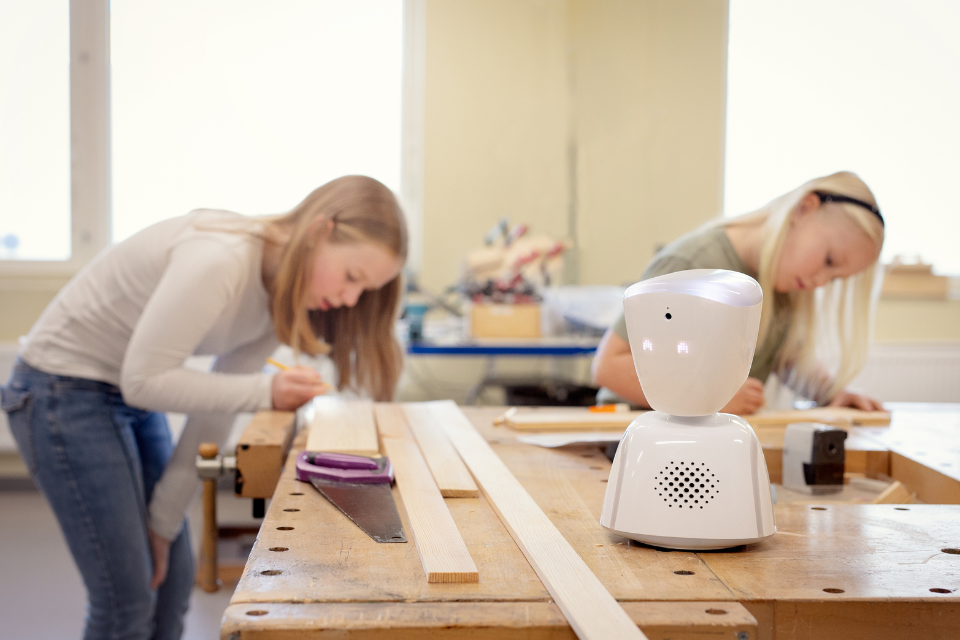
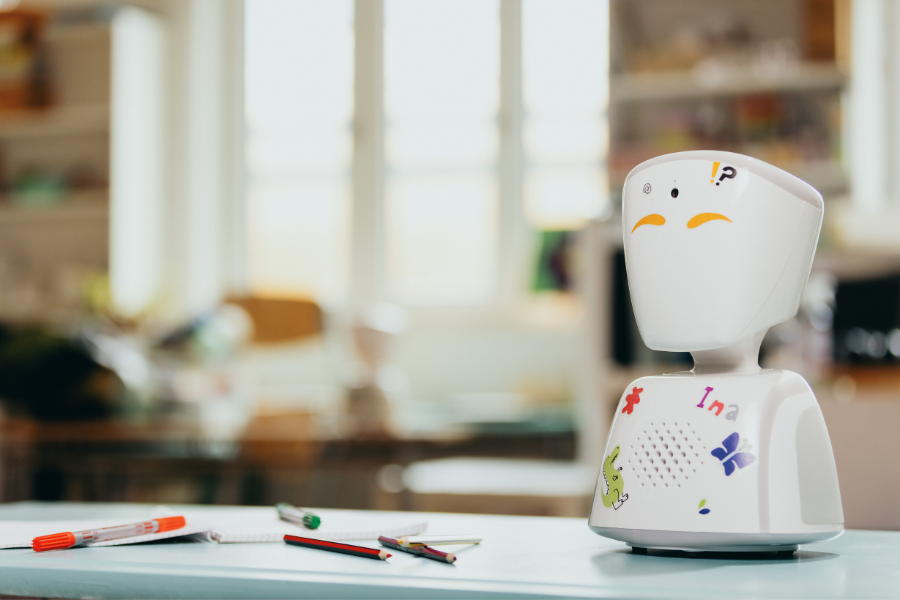
Teachers often ask an important question when using AV1 in the classroom: how do we know who is watching the stream when AV1 is being used by a student at home or in hospital?
It’s a valid concern, and the answer lies not only in the technology behind AV1 but also in the careful design principles that shaped it from the beginning.
Designed with students’ needs in mind
When AV1 was first developed over a decade ago, the design process involved extensive conversations with students and educators. One of the key questions we asked students was simple:
“Would you prefer to be on display, or not?”
The response was overwhelmingly clear. Many students told us that when they’re unwell, undergoing treatment, or struggling with their mental health, the last thing they want is to be on camera.
Some students explained that when friends saw them during treatment or while they were in hospital, their illness suddenly became the defining feature of how others saw them. It changed the dynamic within their friendship groups and sometimes made interactions feel uncomfortable. For others, simply seeing their friends’ reactions to their condition reminded them of their illness in a way that made staying connected less enjoyable.
To address this, AV1 was intentionally designed with a one-way camera. The student can see and hear what’s happening in the classroom, but they do not appear on screen themselves.
This removes the pressure of being visible and allows the student to participate at their own pace, without feeling like the focus of attention.
Today, this approach is more relevant than ever. The majority of the 4,000+ AV1 robots currently in use support students with mental health challenges. For many of these students, the ability to remain unseen while still connected to their class makes all the difference.
Safeguarding considerations
The one-way design also supports important safeguarding principles.
Students in the classroom should not see what is happening in a student’s home or hospital environment. By limiting the camera to a one-way stream into the classroom, AV1 ensures that the student’s personal space remains private and protected.
This approach keeps the focus exactly where it should be: on learning and connection with the classroom community.
Strong security and controlled acccess
AV1 has been built with robust security measures to ensure that the classroom stream is only accessed by the intended student.
When a student first connects to their AV1, the school provides a single-use keyword. This keyword can only be used once and permanently links the AV1 to that student’s device.
The student also creates their own unique four-digit password, known only to them. This means that every time the student connects to their AV1, the school can be confident that it is the correct student accessing the stream.
The connection itself is live and end-to-end encrypted, preventing any other device from accessing the feed. Additionally, the system is designed so that screenshots or recordings cannot be taken from the student’s device, providing another layer of protection for the classroom.
More on privacy and safeguarding features on this page →
Clear expectations for families
To further support schools, AV1 includes clear terms and conditions when a student signs up to use the system. These state that only the student should be watching the classroom stream through the app.
Schools can also choose to implement a usage agreement with families. This draft contract includes the standard terms and allows schools to add their own expectations, such as:
- The student should use headphones
- The student should be in a private room
- Reinforce: Only the student should be present during the stream
This agreement can be printed and signed by the student and family if the school wishes to formalise expectations.
Trust and responsibility
Like all technology, AV1 cannot detect every situation. For example, the app cannot identify if another person is present in the room with the student.
For this reason, trust between the school and the family remains important. Schools typically know their families well and understand that everyone involved wants the best outcome for the student.
If a school believes that the terms of use are being broken (for example, if an adult is heard commenting on the classroom stream) they have the right to withdraw access to AV1 for that student.
Conversely, there may be situations where an adult/guardian needs to support the student with their learning, i.e. have high-needs, or medical conditions that always require adult support, and in these instances, you can be explicit in the template contract, that only this adult(s) can be with the student to support their learning through an AV1.
Keeping students connected without added pressure
At its core, AV1 exists to help students stay connected to their education and their peers during difficult times.
The one-way camera, strong security measures, and clear safeguarding principles all work together to create an environment where students can participate in school life without additional stress or exposure.
By prioritising the student’s comfort, privacy, and wellbeing, AV1 helps ensure that being absent from the classroom doesn’t mean being disconnected from it.