
Every child deserves to feel present, even when they can't be there
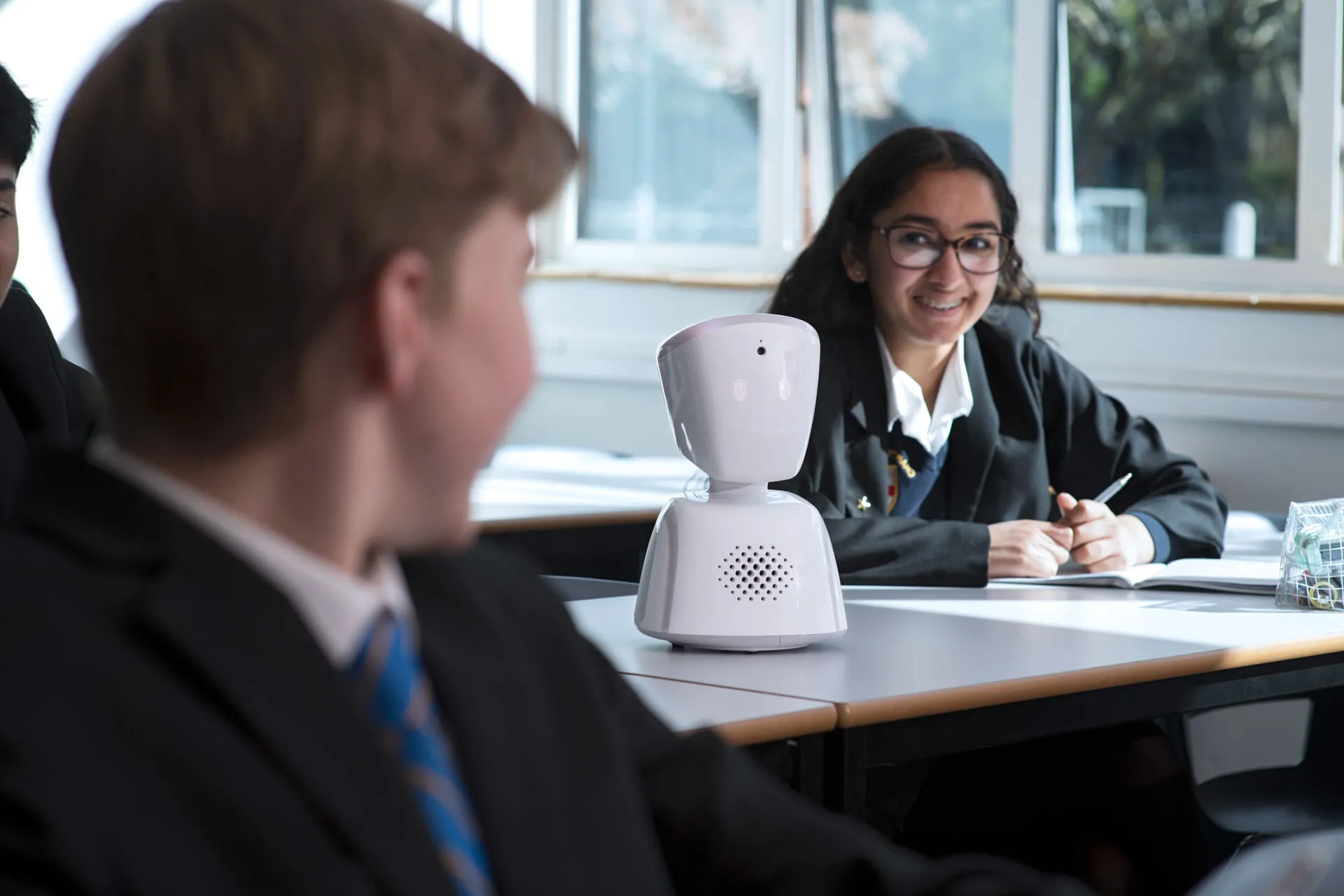
AV1 keeps absent primary school pupils connected to their class, their teacher, and their daily routine, so short-term absence doesn't become long-term disengagement.


Absence in primary school is no longer just a secondary concern
EBSA and long-term medical absence are arriving earlier, sometimes as young as Year 1. For primary school leaders, the stakes are high and the window for intervention is narrow.
A few weeks of absence can sever the bonds that underpin learning at primary level: the relationship with the class teacher, the sense of belonging in a peer group, the daily rhythms that give younger children structure and security.
Primary schools often lack the staffing to run robust reintegration plans or sustain regular contact with families. Without a structured tool, promising early intervention is left to goodwill rather than process.
At the same time, attendance data is facing greater scrutiny. Persistent absence measures from Ofsted and the DfE are putting increased pressure on school leaders to show not only that absence is recorded, but that clear action has been taken in response.

Your absent pupil, still in the room
That sense of belonging and still being a member of the class is not just a nice-to-have, especially for primary-aged children. It is what prevents a difficult few weeks from becoming months of disengagement, and months from becoming permanent exclusion from mainstream education.
Maintains belonging
The pupil stays part of class life: morning registration, group work, paired reading, assemblies. Their classmates know them, they know their classmates, so the thread remains unbroken.
Supports early intervention
AV1 can be deployed at the first sign of EBSA or anxiety-related refusal, before absence becomes entrenched and the path back grows longer.
Enable reintegration
Because the pupil never fully leaves, returning to school in person feels like stepping back in, not starting again. The social and academic ground they've held makes reintegration far smoother.
Works for medical and SEMH absence
Whether the cause is physical illness, post-operative recovery, chronic health conditions, or emotionally-based avoidance, AV1 provides a consistent bridge between home and school.
Keeps safeguarding visible
Regular AV1 check-ins give staff daily welfare touchpoints. The pupil engages with learning and peers, they are accounted for, reducing the opacity of prolonged home absence.
Real outcomes in real primary classrooms

"There isn't anything we do in school that we don't try to include the AV1 in. When we had an Easter egg hunt I carried her round the school so she could participate. She is still very much part of our school community."

"The pupil is very much spoken about because of the AV1, so it helps on both sides for that child to feel remembered. When it is time for them to come back, it won't feel like a massive change for the class."

"I think the AV1 has had a massive impact on the student's wellbeing. If she didn't have access to the AV1 she would be completely cut off from her friends. The AV1 provides her with purpose for the day."
Better for pupils, easier for staff, inclusive for your school
AV1 delivers measurable value across every part of your school community, from the child sitting at home, to the headteacher managing attendance returns.
Pupil impact
Students stay connected to their teacher, classmates, and daily school life throughout absence. Whilst Maintaining emotional security and a sense of belonging during a period of disruption.
Staff impact
AV1 integrates into normal classroom practice with minimal adjustment, providing a daily safeguarding touchpoint as the pupil is seen and heard.
School-wide impact
Prevents short-term or anxiety-driven absence from escalating into persistent absence and demonstrates active early intervention to Ofsted, governors, and the local authority.

Results schools can show to inspectors
Over 4500 AV1 robots are used by schools across the UK and internationally. The outcomes are consistent: maintained curriculum access, improved reintegration rates and, critically, data that SENCOs can put in front of an inspector.