
AV1 Impact Whitepaper
Measurable outcomes across a range of pupil needs, based on 3,133 allocations and 17 independent research studies.


Numbers that speak for themselves
Two headline metrics from the 2025 survey of 3,133 completed AV1 allocations.
77.9%
Allocations achieved their intended purpose
Across all use cases, EBSA, medical absence, SEND inclusion, and early intervention, nearly 4 in 5 AV1 deployments delivered what they were designed to do.
77.6%
Led to full or partial reintegration
Where reintegration was the goal, more than three quarters of pupils returned to school fully or partially, with AV1 supporting the transition.
3,133
Completed allocations analysed
This isn't a small pilot. The 2025 data drew on over three thousand real-world AV1 deployments, making it one of the largest datasets in telepresence for education research.
17
Independent research studies included in evidence base
Built on findings from 17 independent studies, the evidence base reflects growing peer-reviewed research into how AV1 supports continuity, participation and inclusion in education.
Repeatable results at scale
The data shows consistent, measurable outcomes across diverse settings, from primary schools to hospital placements to local authority fleet deployments.

Supporting every dimension of a child's school life
Attendance
AV1 bridges the gap between home and classroom, enabling pupils to be meaningfully present even when physical attendance isn't possible. Persistent absence rates improve when pupils remain connected.
Reintegration
77.6% of relevant cases achieved full or partial reintegration. AV1 acts as a graduated bridge back to school, reducing the anxiety of return by keeping connection alive throughout absence.
Belonging
Research consistently shows AV1 users maintain social bonds with peers. They participate in lessons, conversations and school life, reducing the isolation that makes absence worse over time.
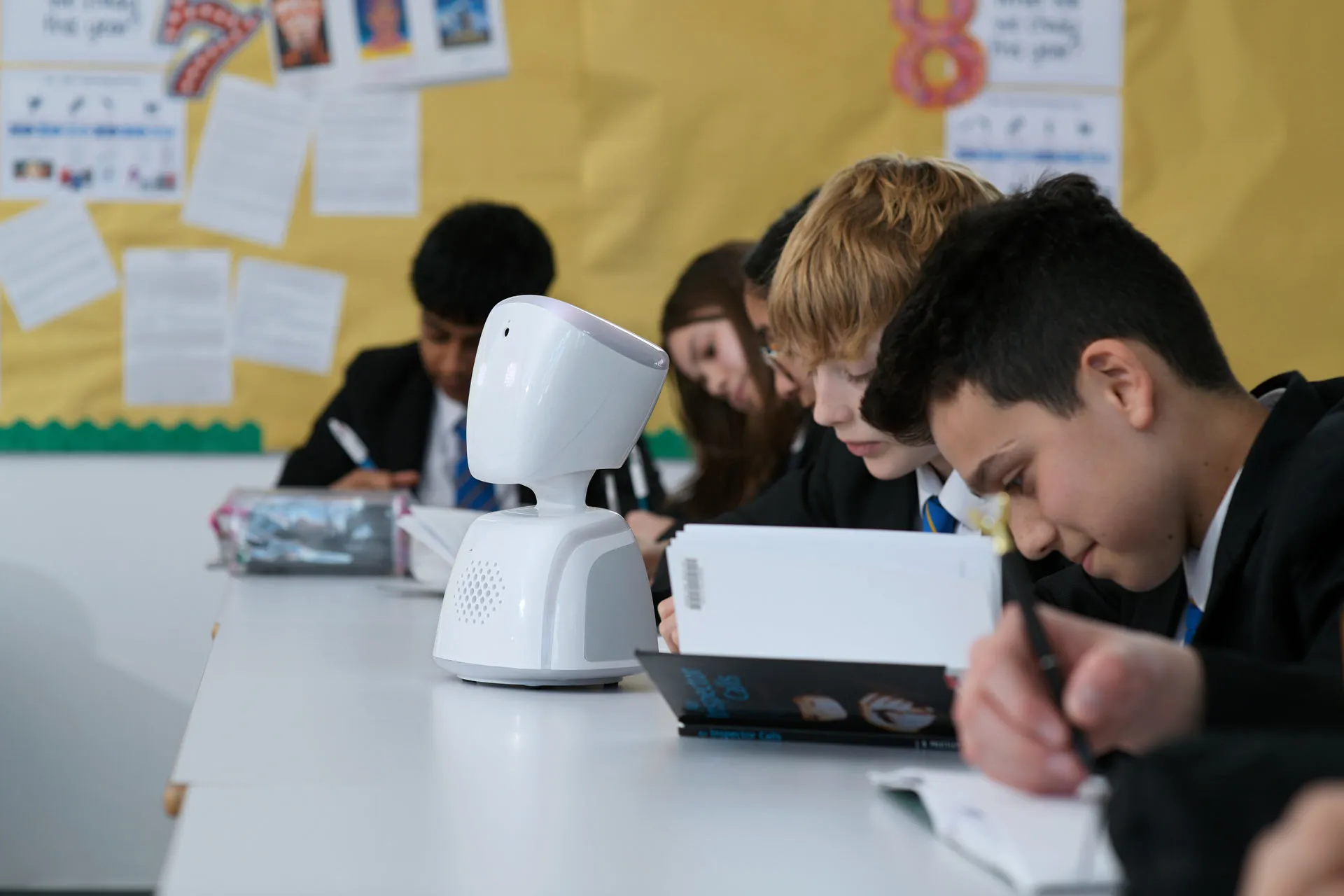
Inclusion
AV1 extends the reach of inclusive practice. SEND students, those with complex medical needs, or those in hospital placements all access the same classroom as their peers.
Continuity of learning
Absent pupils fall behind fast. AV1 keeps them in the room, following lessons, engaging with teachers, accessing curriculum content so return is seamless, not a mountain to climb.
Meeting the pressures schools and authorities face today
Emotionally Based School Non-Attendance
EBSNA is one of the most complex challenges in education today. AV1 offers a non-threatening, graduated pathway back to school, maintaining connection while anxiety is treated, not ignored.
Persistent absence pressures
With persistent absence rates at historic highs post-pandemic, schools and authorities need proven, scalable interventions. AV1 is a tools with a 3,000+ case dataset behind it.
SEND inclusion duties
Schools have a legal duty to provide suitable education for pupils unable to attend. AV1 is a practical, safeguardable technology that fulfils that duty and keeps EHCP pupils connected to provision.
"Alongside the clear educational benefits, this investment also represents strong value for money, helping to reduce longer-term pressures on the system"
Simple to deploy, built to scale.
AV1 is designed for real-world education environments, not controlled pilots. From single-school deployments to authority-wide rollouts, the model is the same.

1. Identify the pupil
AV1 works for EBSA, medical absence, SEND provision, early intervention, and hospital placements. Most schools have pupils who would benefit immediately.
2. Set up in minutes
AV1 requires no specialist IT infrastructure. A Wi-Fi connection and supported device is all that's needed. Schools are live within the same day.
3. Connect to the classroom from any location
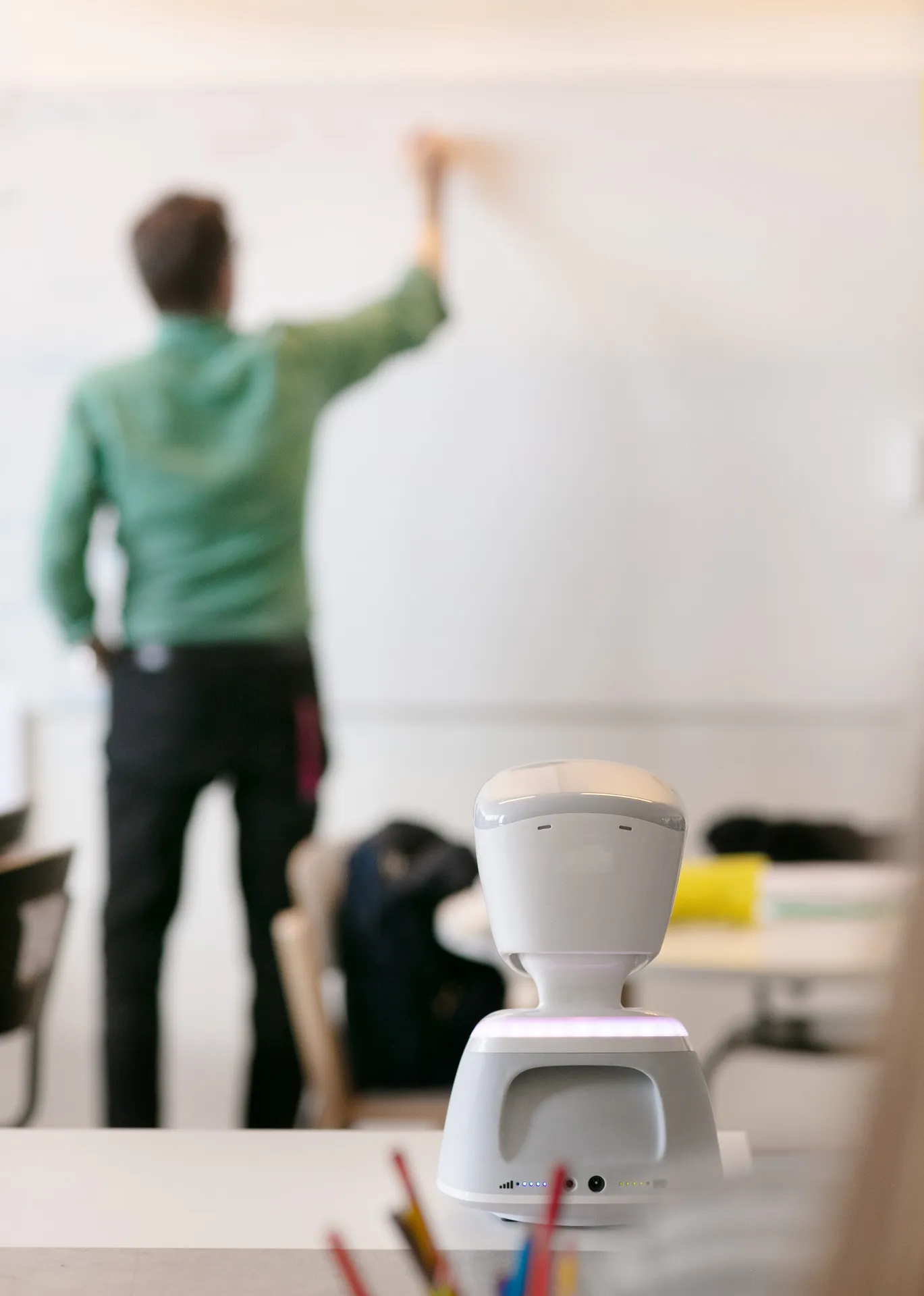
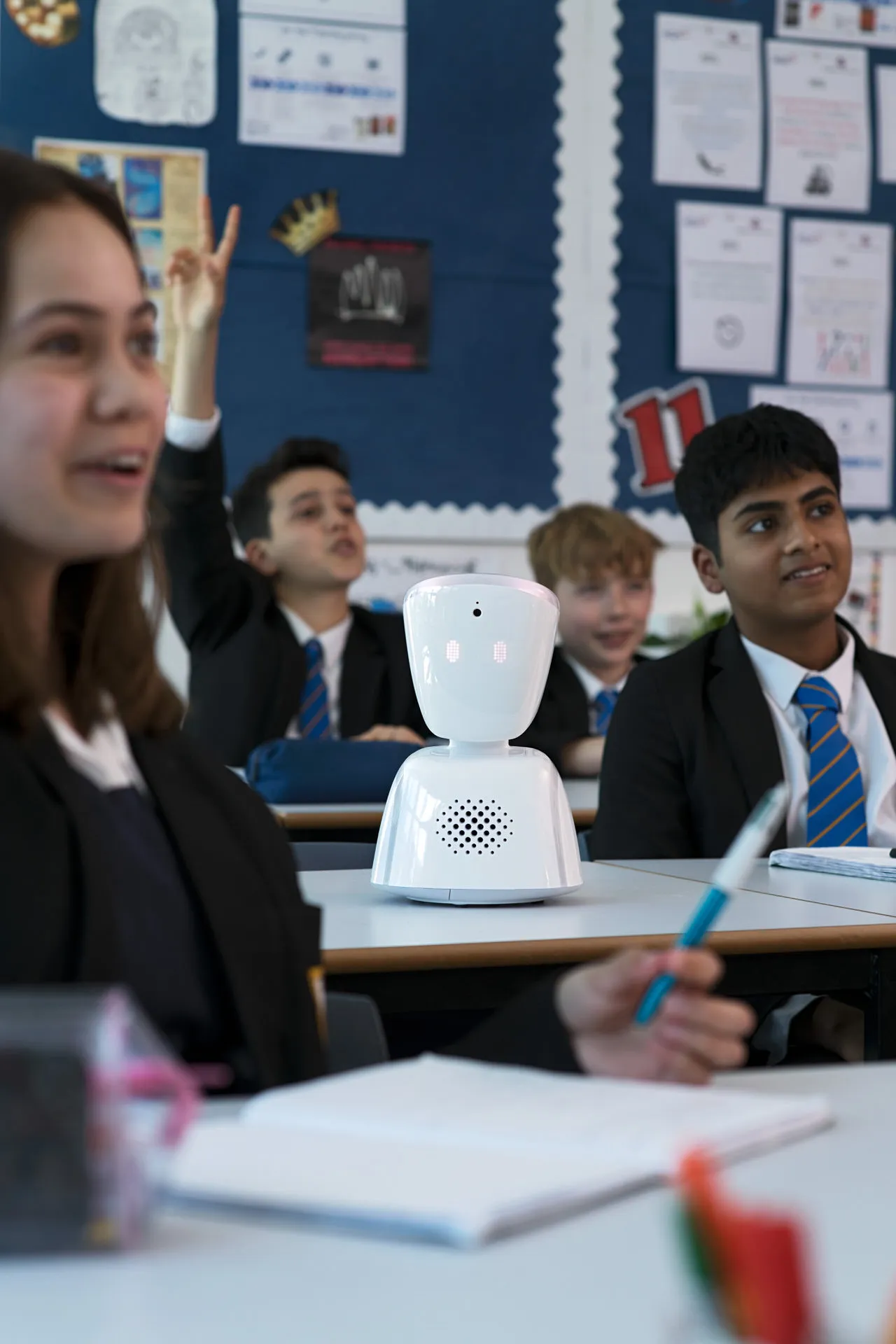
The pupil controls their AV1 via a tablet. They can look around the room, raise their hand, and engage in lessons.
4. Track outcomes and report
Deployments are monitored through the AV1 Admin platform. Schools and authorities can report on outcomes, supporting EHCPs, attendance records and LA accountability.
5. Scale across your trust or authority
Many MATs and LAs manage AV1 centrally, deploying units across multiple schools, building a shared evidence base and consistent inclusion strategy.

Real outcomes
.png)
In Linköping, AV1 helped 90% of students with physical illnesses maintain both their coursework and social connections while away from school. The research also found that 60% of students experiencing EBSA-related challenges were able to gradually rebuild their connection to school, demonstrating AV1's potential to support engagement and reintegration over time.
.avif)
An evaluation of AV1 in Wirral found that students using the robot increased their attendance by 21%, from 47.1% to 56.9%. The study also recorded a 42% increase in lesson engagement, with average participation rising from 3.8 to 5.4 hours per week. Every participant said they would use AV1 again, contributing to an overall experience rating of 4.4 out of 5.
.png)
Moulsham High School adopted a systematic approach to AV1, deploying a fleet of 20 robots to ensure students could remain connected to lessons whenever they were absent. Students reported being able to continue learning without falling behind, reducing stress and supporting academic progress.